"How to Care for Your Baby's Newly Pierced Ears: Expert Tips"
Posted by KYRA on 28th Nov 2025
What is the appropriate Follow-up and Care Required After an Infant's Ear Piercing?
Deciding to pierce your baby's ears is a personal choice often influenced by cultural traditions, family customs, or aesthetic preferences, find more on this in one of our previous blog post. While infant ear piercing is common in many cultures around the world, including throughout the Middle East and UAE, proper aftercare is crucial to ensure a safe, comfortable healing experience for your little one. At KYRACARE, we specialize in infant ear piercing performed by trained healthcare professionals, and we understand that parents need clear, comprehensive guidance on post-piercing care. This guide covers everything you need to know about caring for your baby's newly pierced ears.
Understanding the Healing Process
Before diving into aftercare specifics, it's important to understand how infant ear piercings heal.
Healing Timeline
- Initial healing: 4-6 weeks (outer tissue healing)
- Complete healing: 6-8 weeks for most infants
- Fully mature piercing: 2-3 months
Infant ear piercings typically heal faster than adult piercings due to children's more efficient healing processes. However, the delicate nature of infant skin requires gentle, consistent care throughout the healing period.
What's Normal During Healing
- Slight redness around the piercing site for the first few days
- Minimal clear or light yellow discharge (lymph fluid)
- Slight tenderness when touched
- Formation of small crusties around the jewelry
Daily Aftercare Routine
Establishing a consistent cleaning routine is the foundation of proper aftercare.
Cleaning Schedule
Frequency: Clean your baby's ears 2 times daily for the first 2 weeks, then once daily until fully healed.
Best times to clean:
- After morning bath or diaper change
- Mid-day or after naps
- Before bedtime
Step-by-Step Cleaning Process
What you'll need:
- Sterile saline solution (recommended) or cleaning solution available at leading pharmacies.
- Clean cotton swabs or sterile gauze pads
- Clean, dry towel or paper towels
The process:
- Wash your hands thoroughly with antibacterial soap and warm water
- Gently clean the front and back of each earring with a cotton swab dipped in saline solution
- Remove any crusties carefully without forcing or pulling
- Rotate the earring gently a quarter turn (only during cleaning) DO NOT rotate excessively.
- Pat dry with a clean paper towel or let air dry
- Avoid over-cleaning as this can irritate the piercing
Products to Use and Avoid
Recommended:
- Sterile saline solution (0.9% sodium chloride)
- Piercing aftercare solutions specifically designed for infants
- Clean, distilled water for rinsing if needed
Avoid:
- Alcohol-based products (too harsh and drying)
- Hydrogen peroxide (can damage healing tissue)
- Avoid home-made saline water (salt water solutions).
- Antibiotic ointments (can trap bacteria and prevent oxygen flow)
- Baby wipes or lotions near the piercing
Protecting Your Baby's Ears
Beyond cleaning, protecting the pierced ears from irritation and injury is essential.
Clothing and Sleep Considerations
Dressing your baby:
- Choose onesies and shirts with wide neck openings
- Be extra careful when pulling clothing over the head
- Support the back of the head during dressing to prevent snagging
Sleep safety:
- Place your baby on their back for sleep (following safe sleep guidelines)
- Use soft, breathable crib sheets
- Avoid hats or headbands that might catch on earrings during sleep
- Check that earring backs remain secure but not too tight
Managing Baby's Hands
Babies naturally explore their bodies with their hands, which can introduce bacteria to healing piercings.
Preventive measures:
- Keep your baby's fingernails trimmed short and smooth
- Consider soft cotton mittens during the first few weeks
- Gently redirect their hands if they're touching their ears
- Ensure pacifiers and teething toys are clean
Bath Time Guidelines
During the healing period:
- Continue giving baths as normal
- Avoid submerging ears in soapy water when possible
- Rinse ears with clean water after bath
- Pat ears dry gently but thoroughly
- Clean piercings after every bath
Recognizing and Responding to Issues
Early identification of problems allows for prompt intervention.
Signs of Normal Healing
- Decreasing redness over the first week
- Minimal clear or white discharge
- Baby shows no signs of discomfort when not touching ears
- Skin around piercing appears healthy
Warning Signs Requiring Attention
Mild concerns (monitor closely):
- Slight persistent redness beyond the first week
- Small amount of yellow discharge
- Minor crustiness that's difficult to remove
- Baby occasionally fusses when ears are touched
Serious concerns (contact healthcare provider):
- Infection indicators: Hot, red, swollen ears with yellow or green pus
- Fever: Temperature above 100.4°F (38°C)
- Excessive pain: Baby crying inconsolably and resisting touch
- Embedded jewelry: Earring back pressing into or disappearing into the skin
- Allergic reaction: Severe redness, rash, or blistering around the piercing
When to Contact KYRACARE or Your Pediatrician
Schedule a check-up for:
- Questions about healing progress
- Concerns about jewelry fit
- Persistent discharge or crustiness after 3 weeks
- Desire to change earrings before recommended time
Follow-Up Care Schedule
Regular monitoring ensures your baby's piercings heal properly.
Week 1-2: Intensive Care Phase
- Clean 3 times daily
- Monitor closely for any adverse reactions
- Keep a simple care journal noting any changes
- Contact your us with any concerns
Week 3-6: Active Healing Phase
- Reduce cleaning to twice daily
- Continue monitoring for infection signs
- Maintain protective measures
- Schedule a check-up if healing seems delayed
Week 7-8: Final Healing Phase
- Continue twice-daily cleaning until 8 weeks complete
- Consider scheduling a professional check-up
- Prepare for potential jewelry change (if desired)
2-3 Months: Maintenance Phase
- Transition to routine ear hygiene
- Safe to change earrings (with appropriate jewelry)
- Continue monitoring for any issues
Jewelry Considerations
The right jewelry choice impacts both healing and safety.
Initial Jewelry Specifications
At KYRACARE, we use:
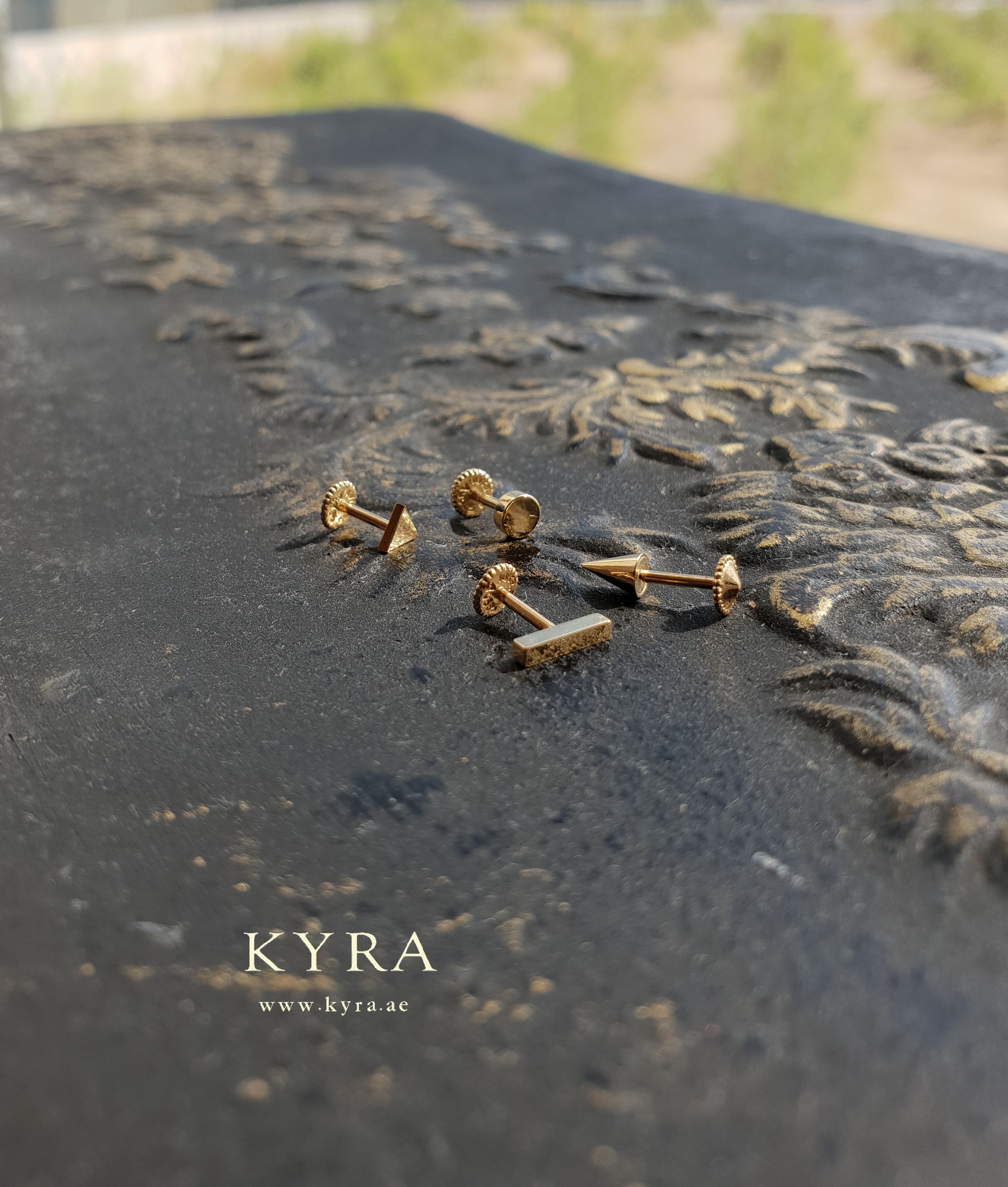
- Materials: Medical-grade Surgical stainless steel, 14K Gold, Implant grade Titanium or hypoallergenic options
- Style: Studs with secure, hypoallergenic backs
- Size: Appropriately sized for infant ears
- Safety features: Safety Clutch™ technology for secure, comfortable wear
When Can You Change Earrings?
Minimum waiting period: 6-8 weeks for most infants
Signs it's safe to change:
- No discharge, redness, or tenderness
- Piercings move freely without discomfort
- Complete healing confirmed by healthcare professional
Selecting Appropriate Baby Earrings
Safe choices:
- Small, lightweight studs
- Hypoallergenic materials (14k gold, titanium, surgical steel)
- Secure backs that won't fall off easily
- Smooth, rounded designs without sharp edges
Avoid:
- Dangly or hoop earrings (choking and snagging hazards)
- Cheap metals that may contain nickel
- Oversized or heavy jewelry
- Backs that are difficult to secure
Common Challenges and Solutions
Most families encounter minor challenges during the healing process. Here's how to address them.
Challenge: Baby Keeps Touching Ears
Solutions:
- Use soft cotton mittens during sleep and unsupervised time
- Keep hands occupied with safe toys
- Gently redirect attention when they reach for ears
- Ensure they're not touching due to discomfort (check for infection signs)
Challenge: Excessive Crustiness
Solutions:
- Increase cleaning frequency slightly
- Use warm saline compresses to soften crusties before removal
- Never pick or force crusties off
- Ensure jewelry is moving freely during cleaning
Challenge: One Ear Healing Slower
Solutions:
- Check if baby favors sleeping on one side
- Ensure both ears receive equal care attention
- Monitor the slower-healing ear more closely
- Consider whether clothing or accessories might be irritating one side
Challenge: Jewelry Backs Too Tight or Loose
Solutions:
- Too tight: Visit your piercer immediately to prevent embedding
- Too loose: Check backs regularly to ensure they haven't loosened
- Never adjust backs yourself without professional guidance
- Schedule a check-up if you have concerns
Cultural and Lifestyle Considerations in the UAE
The UAE's climate and cultural practices can influence aftercare needs.
Climate Considerations
Heat and humidity:
- Can increase sweating around piercing sites
- May require more frequent cleaning
- Ensure ears are thoroughly dried after cleaning
- Use breathable fabrics for head coverings if applicable
Sand and dust:
- Keep baby's pierced ears covered during sandstorms
- Clean ears promptly after any outdoor exposure
- Be vigilant about hand washing before touching piercings
Cultural Practices
Many families in the UAE pierce babies' ears as part of cultural or religious traditions. KYRACARE respects and supports these practices while ensuring:
- Medical-grade safety standards are maintained
- Parents receive comprehensive aftercare education
- Follow-up support is available in multiple languages
- Cultural sensitivity is observed throughout the process
Long-Term Ear Care
Once healed, your child's pierced ears still need ongoing attention.
Routine Maintenance
- Daily hygiene: Clean ears during regular bath time
- Regular checks: Inspect earrings weekly for tightness and wear
- Professional assessment: Annual check-ups to ensure proper positioning
As Your Child Grows
- Update jewelry size: Ensure backs aren't too tight as ears grow
- Teach self-care: Begin involving your child in ear care around age 3-4
- Monitor for changes: Watch for delayed allergic reactions to metals
- Maintain quality: Continue using hypoallergenic materials
Special Situations
Some circumstances require modified aftercare approaches.
If Piercing Gets Infected
- Don't remove the earrings (can trap infection)
- Contact your pediatrician immediately
- Follow prescribed treatment (usually antibiotic cream or oral antibiotics)
- Increase cleaning frequency as directed
- Continue until infection fully resolves
If Earring Falls Out
- Within first 6 weeks: Contact your piercer immediately (hole may close quickly)
- After 6 weeks: Still contact piercer promptly, as infant piercings can close faster than adult piercings
- Don't attempt to reinsert yourself: Requires professional assessment
If Allergic Reaction Occurs
- Document symptoms with photos
- Contact your piercer and/ or pediatrician
- May need to change to different style and metal (often titanium)
- Follow medical advice for treating reaction
Creating a Care Kit
Having supplies ready makes aftercare easier and more consistent.
Essential Items
- Sterile saline solution or prescribed cleaning solution
- Cotton swabs (sterile, individually wrapped preferred)
- Clean paper towels
- Soft cotton mittens (2-3 pairs)
- Small notebook for tracking healing progress
Optional but Helpful
- Gentle, fragrance-free baby soap
- Distilled water for making saline solution
- Small mirror for checking backs of ears
- Timer or phone reminder for cleaning schedule
KYRACARE's Ongoing Support
At KYRACARE, our commitment to your baby's ear piercing doesn't end when you leave our clinic.
What We Provide
- Comprehensive aftercare instructions in your preferred language
- Follow-up consultations to assess healing progress
- All day support line for urgent concerns
- Complimentary check-ups during the healing period
- High-quality aftercare products recommended for your baby
- Professional jewelry changes when appropriate
Why Choose KYRA ?
KYRACARE's trained healthcare professionals use:
- Sterile, fully-encapsulated systems minimizing infection risk
- Patented Safety Clutch™ technology for optimal healing
- Medical-grade jewelry suitable for sensitive infant skin
- Precise placement techniques ensuring symmetrical results
- Comprehensive safety protocols meeting international standards
Final Thoughts for Parents
Caring for your baby's newly pierced ears requires attention and consistency, but with proper care, most infants experience smooth, complication-free healing. Remember:
- Be patient: Healing takes time, and every baby is different
- Stay consistent: Regular cleaning is key to preventing problems
- Watch closely: Early detection of issues allows for prompt treatment
- Seek help when needed: Professional guidance is always available
- Trust the process: Most piercings heal beautifully with proper care
Your baby's comfort and safety are paramount. By following these guidelines and maintaining open communication with your piercing professional and pediatrician, you can ensure a positive ear-piercing experience for your little one.
For more information about infant ear piercing or to schedule a consultation with our healthcare professionals at KYRACARE, please contact us at +971-4-2428842 or +971-4-3406868 or visit our clinic at Dubai Health Care City.
Disclaimer: This article provides general aftercare guidance and should not replace personalized advice from your piercing professional or pediatrician. Always consult healthcare providers with specific concerns about your infant's health.